
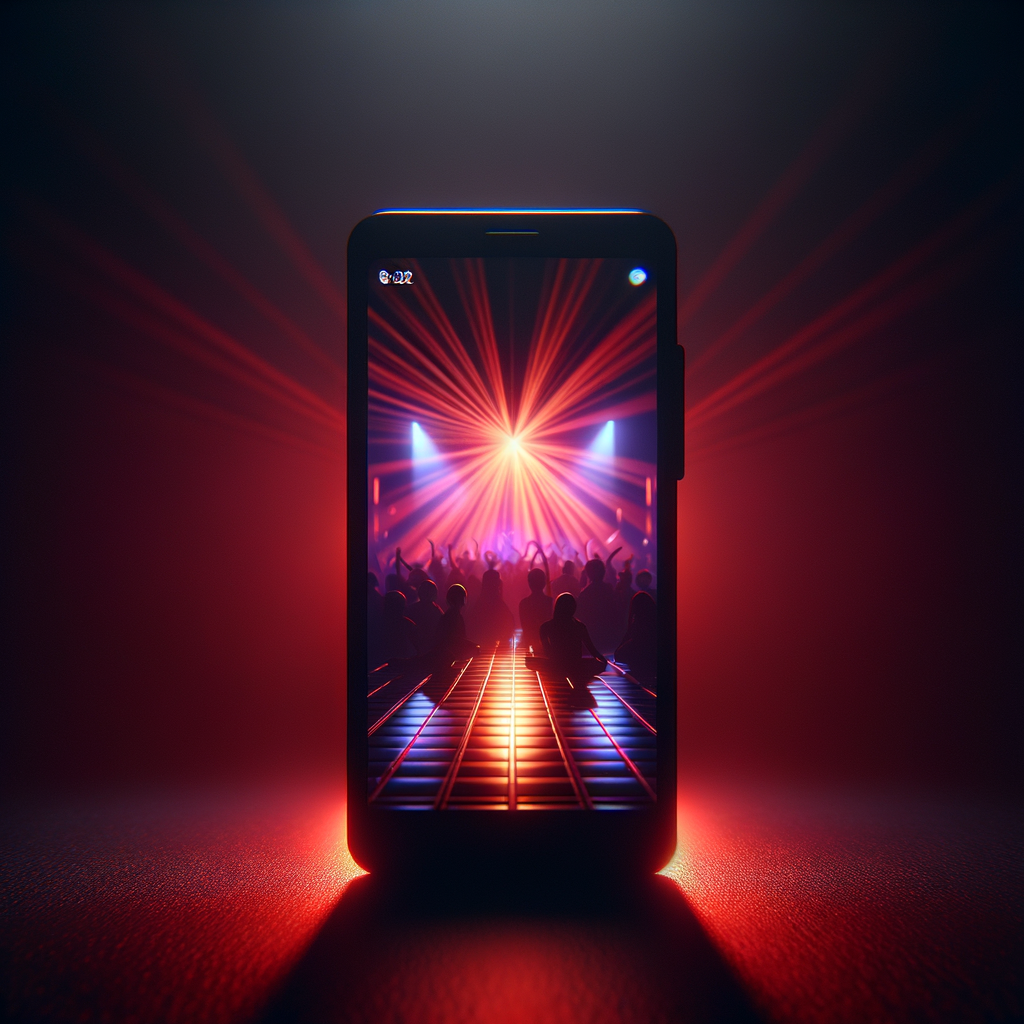
The 48-video funnel system we designed had one anchor format: a 9.9-second vertical cold ad. That is the top-of-funnel creative that introduces the brand to people who have never heard of you. Every other format — event-specific pushes, warm retargeting, hot urgency ads — builds on what this single short clip establishes.
Here is why 10 seconds works and how to build one that converts for nightlife.
Why 10 seconds is the right length
Cold audiences scroll past anything longer than 15 seconds. They do not know you. They have no reason to care. But a 9.9-second vertical clip that hits the right emotional trigger can stop a thumb mid-scroll and plant a brand impression in under the time it takes to read a text message.
The math on Meta ads supports this. Our efficiency benchmark: 1 ticket sale per $5-10 in ad spend. The 10-second format delivers this because it is cheap to produce, cheap to serve (short videos get favorable CPMs on Meta), and optimized for the one action that matters at the cold stage: a profile visit, not a purchase.
Cold ads should never ask for a purchase. They ask for curiosity. The purchase comes later, from warm and hot retargeting.
The anatomy of a converting cold ad
Frame 1 (0-2 seconds): the hook. A visual that stops the scroll. For dark culture events, this means dancefloor footage with dramatic lighting, not a flyer. Flyers do not stop scrolls. Footage of bodies moving in red-lit haze does. The first frame must communicate “this is a world you want to enter” without any text.
Frame 2 (2-6 seconds): the vibe. Quick cuts of the room, the crowd energy, the DJ, the atmosphere. This is where you sell the feeling, not the event details. No dates, no lineup names, no ticket prices. Just the experience. Behind-the-scenes footage works better here than polished event recaps.
Frame 3 (6-9.9 seconds): the CTA. A single line of text with your SMS keyword or profile link. “Text DARK to 833-XXX-XXXX” or a simple “follow for dates.” The CTA is not “buy tickets” — it is “join the world.” You are recruiting, not selling.
What to film
You do not need a production crew. A phone in the right spot captures everything you need. The footage that converts best for cold audiences:
Crowd shots from behind the DJ booth looking out over a packed room. Haze and lasers cutting through darkness. People dancing without awareness of the camera. The line outside the door. The moment the headliner drops a track and the room reacts. Raw energy over production quality every time.
What does not work: static flyer images set to music, talking-head content for cold audiences, long intros with brand history, anything that requires reading more than five words.
The always-on approach
Cold ads run continuously. They are not tied to specific events. They are tied to the brand. One campaign per city, always on, building the audience between events. When an event drops, the warm and hot ads layer on top of the foundation the cold ads have been building for weeks.
The budget for evergreen cold ads: $175 per week for Thursday events, $262.50 per week for Friday events. This is the 35% evergreen allocation from the total weekly marketing budget. Do not turn it off between events. Do not fragment it into per-event cold campaigns. The algorithm needs continuous data to optimize.
A/B testing that matters
Always A/B test. Different approaches for different channels. What works on the brand account does not work on a personal account and vice versa. The variables worth testing in cold ads:
Opening frame: crowd shot versus DJ shot versus venue exterior. Music choice: the track playing in the clip affects scroll-stop rate more than the visuals. CTA placement: text overlay versus end card. Aspect ratio: 9:16 vertical for stories and reels versus 4:5 for feed. Time of day: ads served at 10pm on Friday perform differently than ads served at 2pm on Wednesday.
The testing cadence for weekly events is fast. You get data every seven days. Use it. Kill underperformers within 48 hours and reallocate spend to the winning variant.
The 10-second cold ad is the entry point to the entire marketing system. Get it right and the warm and hot campaigns downstream become dramatically more efficient because they are retargeting people who already had an emotional response to your brand. The ad does not sell a ticket. It sells a world. The ticket sells itself later.